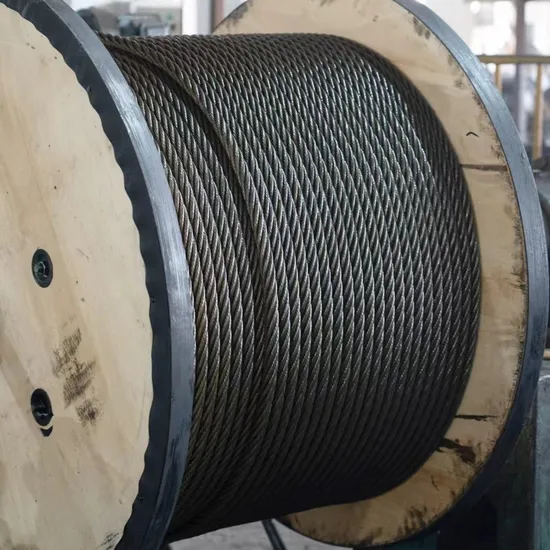
Wire rope is a critical industrial product composed of multiple steel wires twisted into strands, which are then helically laid around a central core. This unique structure provides an optimal combination of high tensile strength, flexibility, fatigue resistance, and durability, making wire ropes indispensable in heavy-duty engineering applications.
Compared with conventional steel cables or chains, wire ropes offer superior load distribution and bending performance. The multi-strand construction allows stress to be evenly distributed among individual wires, significantly improving service life and operational safety under dynamic loading conditions. Depending on the application, wire ropes can be manufactured with different constructions such as 6×19, 6×36, 8×19, 8×36, 19×7, and compacted strand designs, each optimized for specific working environments.
The core of a wire rope plays a vital role in its performance. It can be made of fiber (FC), independent wire rope core (IWRC), or steel core, depending on strength requirements and operating conditions. IWRC and steel cores are commonly used in high-load applications such as oilfields, mining hoisting systems, and port machinery, where high breaking strength and crush resistance are essential.
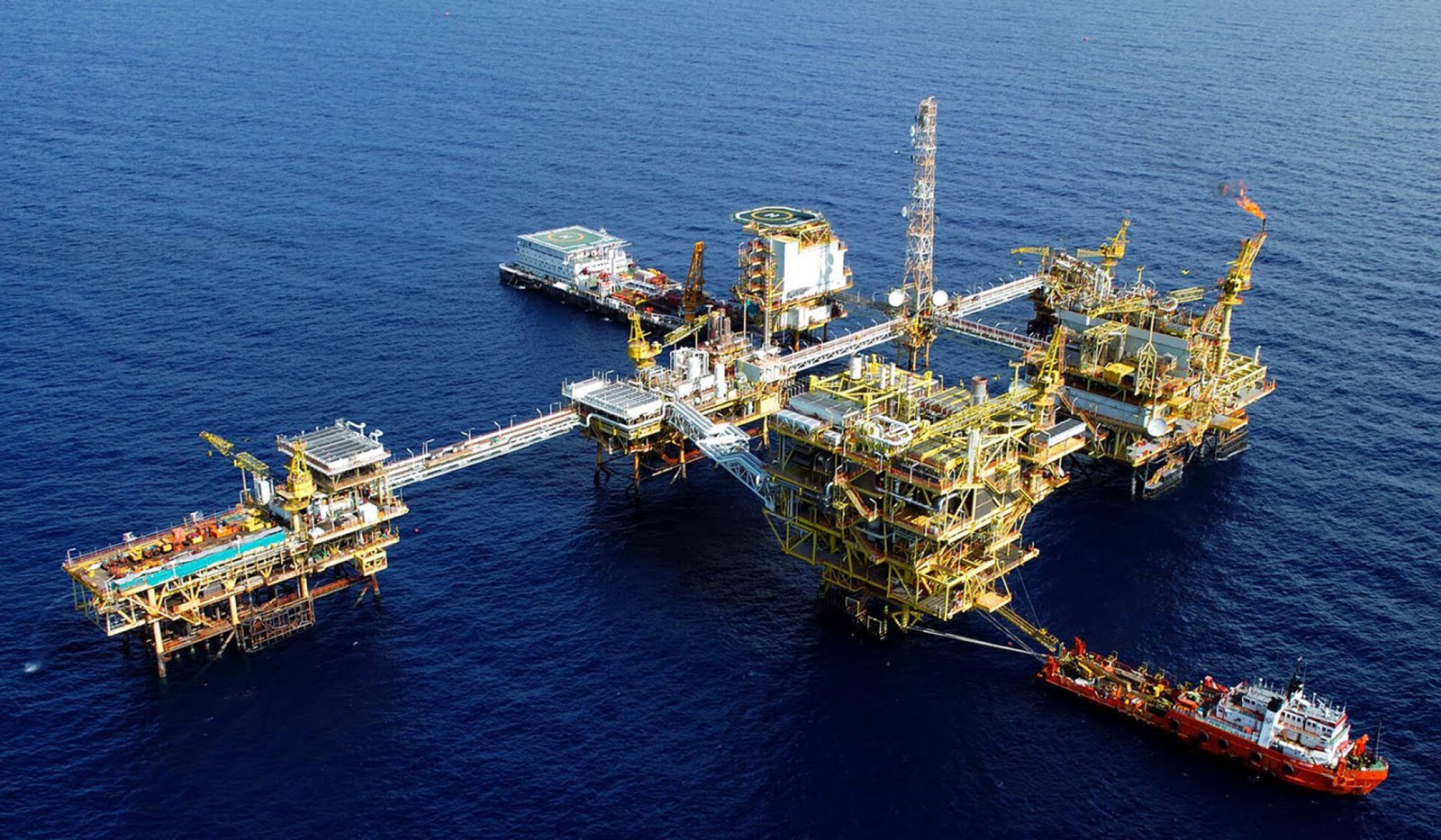
Wire ropes are widely used across various heavy industries. In the oil and gas sector, they are essential for drilling rigs, lifting systems, and offshore platforms. In mining operations, they are used for hoisting ore, shaft sinking, and heavy transportation systems. In construction, wire ropes are applied in cranes, elevators, and suspension structures. In ports and marine engineering, they are used for cargo handling equipment, winches, mooring systems, and offshore lifting operations. Their reliability directly affects operational safety and efficiency in these critical industries.
To meet diverse industrial requirements, wire ropes are produced with different surface treatments such as bright (ungalvanized), galvanized, or plastic-coated finishes. Galvanized wire ropes offer enhanced corrosion resistance, making them suitable for marine and outdoor environments. Lubrication technology is also an important factor, as it reduces internal friction, improves fatigue resistance, and extends service life under continuous operation.
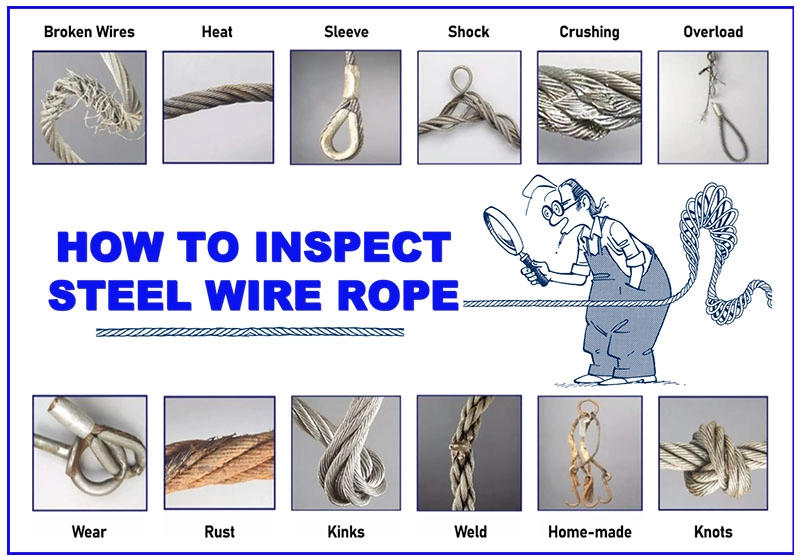
Quality control is a key aspect of wire rope manufacturing. High-quality wire ropes must comply with international standards such as ISO, DIN, API, EN, and ASTM. Rigorous testing procedures—including tensile strength testing, fatigue testing, torsion testing, and non-destructive inspection—are applied to ensure consistent performance and safety. Certified production systems such as ISO 9001, CE, ABS, DNV, BV, and SGS further guarantee product reliability in global markets.
Modern wire rope manufacturing has evolved significantly through continuous technological innovation. Advanced processes such as compacted strands, swaging, preforming, and rotation-resistant designs have greatly improved load capacity and operational stability. In addition, high-carbon steel wire materials and precision drawing technologies enable superior mechanical properties and longer service life.
Today, wire rope remains a fundamental component in global industrial development. Its applications continue to expand with increasing demand for high-performance lifting, transportation, and energy equipment. As industries move toward higher efficiency and safer operations, the importance of reliable wire rope products continues to grow.
With 60 years of engineering experience and continuous innovation, BOMCO-type industrial manufacturers are committed to providing high-strength, durable, and application-specific wire rope solutions for global customers. Through strict quality control, advanced production technology, and comprehensive service support, modern wire rope manufacturers ensure that products meet the highest standards of safety, performance, and reliability in demanding industrial environments.