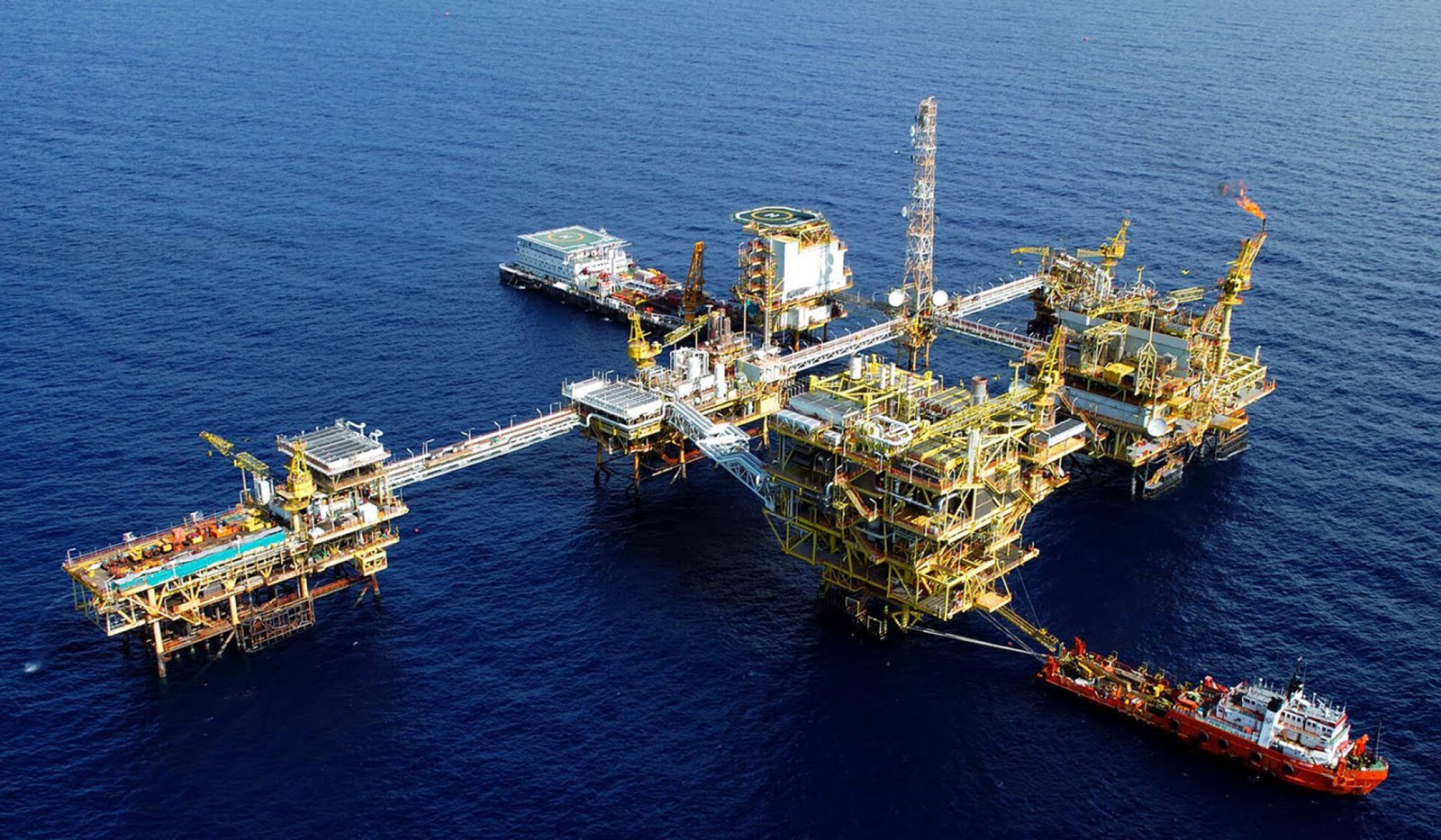
Proper maintenance of wire rope is essential to ensure safe operation, extend service life, and maintain optimal performance in industrial applications. Wire ropes are widely used in demanding environments such as oilfields, mining, construction, ports, and marine engineering, where they are exposed to heavy loads, bending stress, abrasion, corrosion, and dynamic working conditions. Without proper inspection and maintenance, wire rope performance can deteriorate rapidly, leading to safety risks and reduced efficiency.
1. Regular Inspection
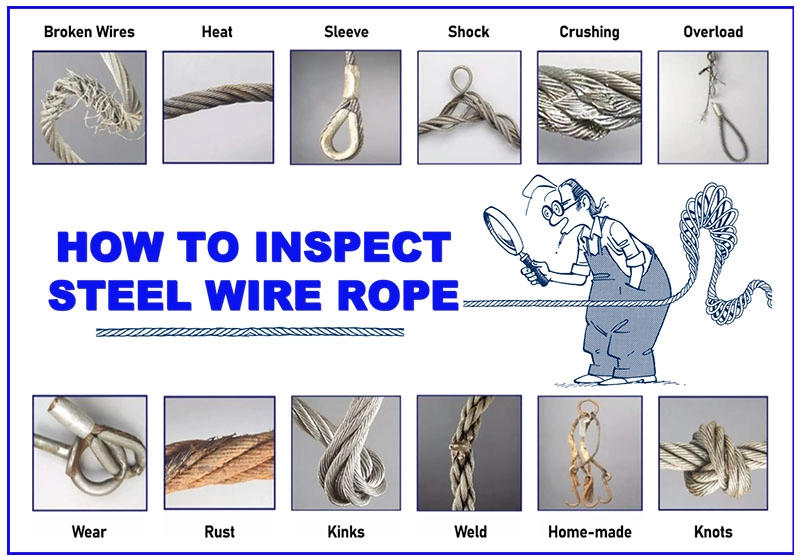
Routine inspection is the most important part of wire rope maintenance. Wire ropes should be visually inspected before and during operation to detect early signs of wear or damage. Key inspection points include broken wires, abrasion, corrosion, deformation, diameter reduction, and changes in rope structure.
Special attention should be paid to areas that experience frequent bending, such as around pulleys, winches, and drum contact zones. Any abnormal conditions, such as birdcaging, kinking, crushing, or excessive wire breakage, indicate that the rope may need to be repaired or replaced immediately. Inspection frequency should be increased in harsh working environments such as offshore platforms, high humidity areas, or heavy-duty lifting operations.
2. Lubrication
Proper lubrication plays a critical role in reducing internal friction between wires and strands. It helps prevent wear, reduce corrosion, and improve fatigue resistance. During operation, lubrication inside the rope gradually decreases due to pressure and movement, so regular re-lubrication is necessary.
Only compatible wire rope lubricants should be used. These lubricants must have good penetration ability to reach the core of the rope and provide long-lasting protection. Over-lubrication or the use of incorrect lubricants should be avoided, as they may attract dust or reduce rope performance.
3. Cleaning
Wire ropes should be kept clean to prevent the accumulation of dirt, sand, and corrosive substances. Contaminants can accelerate abrasion and corrosion, especially in marine and mining environments. Cleaning should be performed using approved methods such as wire rope cleaning devices, compressed air, or suitable solvents. Harsh cleaning methods that damage the rope surface should be avoided.
4. Proper Handling and Storage
Correct handling during installation, operation, and storage is essential for maintaining wire rope integrity. Wire ropes should not be dragged on rough surfaces or subjected to sharp bending or twisting. During installation, proper tensioning and alignment must be ensured to avoid uneven loading.
When not in use, wire ropes should be stored in a dry, ventilated environment away from moisture, chemicals, and direct sunlight. Coiled ropes should be stored on reels or pallets to prevent deformation and contamination.
5. Wear Monitoring and Replacement Criteria
Wire rope wear is a natural process, but it must be carefully monitored to ensure safety. Replacement should be considered when the number of broken wires exceeds safety limits, or when there is significant reduction in diameter, severe corrosion, or structural deformation.
Standards such as ISO, DIN, and API provide guidelines for rope discard criteria. Operators should follow these standards strictly to prevent unexpected failure during operation. Regular load testing and professional inspection are recommended for critical applications such as lifting systems in oilfields and offshore platforms.
6. Safe Operation Practices
Proper operation is closely related to wire rope maintenance. Operators should avoid overloading, sudden shock loads, and improper reeving. The rope should always operate within its rated working load limit (WLL). Smooth acceleration and deceleration help reduce stress and extend service life.
In addition, pulley and drum systems should be properly maintained to ensure correct groove dimensions and alignment, as misalignment can significantly accelerate rope wear.
Conclusion
Effective wire rope maintenance is a combination of regular inspection, proper lubrication, correct handling, and timely replacement. By following scientific maintenance practices, users can significantly improve safety, reduce downtime, and extend the service life of wire rope systems.
As a professional manufacturer in oilfield steel wire ropes and industrial lifting solutions, BOMCO is committed to providing high-quality products and technical support to ensure safe and reliable operation in the most demanding environments worldwide.